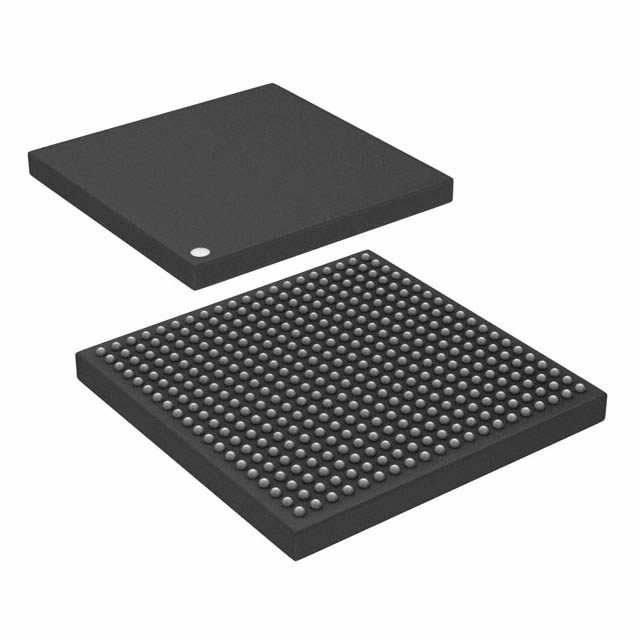
## Single-Core Processor:
1. Definition:
- A single-core processor has only one physical processing unit (core) on a single chip. This means that it can execute one set of instructions at a time.
2. Execution:
- In a single-core processor, all tasks, processes, and threads are executed sequentially. When one task is being processed, others have to wait in line for their turn.
3. Performance:
- Single-core processors are limited in their ability to handle multiple tasks simultaneously, which can lead to slower performance, especially when running demanding applications or multitasking.
4. Efficiency:
- Single-core processors may not be as efficient in utilizing resources since they cannot distribute tasks across multiple cores.
5. Thermal Management:
- Single-core processors generally produce less heat compared to multi-core processors since there is only one processing unit generating heat.
6. Cost:
- Single-core processors are typically less expensive to manufacture compared to multi-core processors due to their simpler design.
## Multi-Core Processor:
1. Definition:
- A multi-core processor contains more than one physical processing core on a single chip. Common configurations include dual-core (2 cores), quad-core (4 cores), hexa-core (6 cores), octa-core (8 cores), and even higher core counts.
2. Execution:
- Multi-core processors can execute multiple tasks concurrently by distributing the workload across the available cores. This parallelism improves overall performance and responsiveness.
3. Performance:
- Multi-core processors excel at multitasking and handling parallel workloads, leading to faster performance in tasks that can be divided into smaller subtasks.
4. Efficiency:
- Multi-core processors can efficiently utilize resources by assigning different tasks to different cores, optimizing resource usage and improving overall efficiency.
5. Thermal Management:
- Multi-core processors tend to generate more heat compared to single-core processors due to the simultaneous operation of multiple cores. Efficient thermal management solutions are required to prevent overheating.
6. Cost:
- Multi-core processors are generally more expensive to manufacture than single-core processors due to the complexity of integrating multiple cores on a single chip.
## Benefits of Multi-Core Processors:
- Improved Performance: Multi-core processors can significantly boost performance, especially in tasks that can be parallelized.
- Enhanced Multitasking: With multiple cores, users can run multiple applications simultaneously without experiencing significant slowdowns.
- Optimized Resource Usage: Multi-core processors can allocate tasks effectively across cores, maximizing resource utilization and efficiency.
- Future-Proofing: As software continues to be optimized for multi-core architectures, multi-core processors offer better support for upcoming applications and technologies.
## Conclusion:
In summary, the key difference between single-core and multi-core processors lies in the number of physical processing units they contain. While single-core processors are limited to executing one task at a time, multi-core processors can handle multiple tasks concurrently, leading to improved performance, multitasking capabilities, and resource utilization. Multi-core processors are well-suited for modern computing tasks that benefit from parallel processing and efficient multitasking, making them a preferred choice for many applications and users seeking higher performance and responsiveness.
icDirectory United Kingdom | https://www.icdirectory.co.uk/a/blog/what-is-the-difference-between-single-core-and-multi-core-processors.html