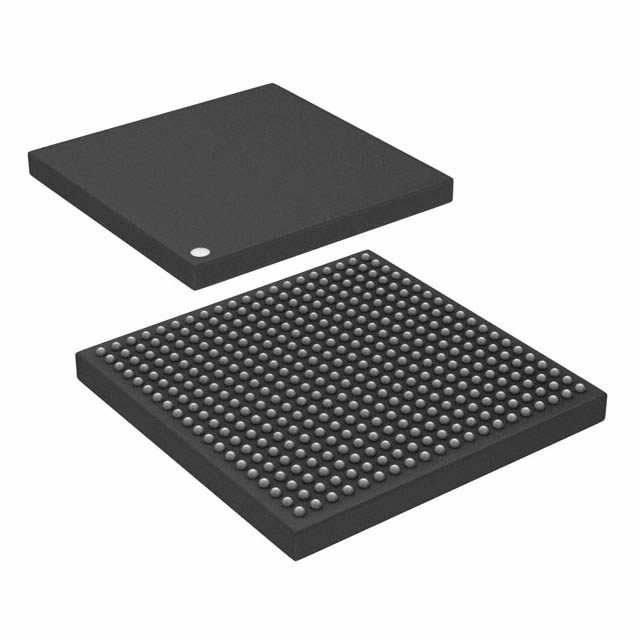
## Microprocessor:
1. General Purpose: A microprocessor is a central processing unit (CPU) designed to execute a wide range of tasks based on instructions fetched from memory. It is designed to be versatile and capable of running various software applications.
2. Functionality: It integrates arithmetic logic units (ALUs), registers, control units, and other components necessary for executing instructions. Microprocessors typically include cache memory and support for input/output (I/O) operations.
3. Flexibility: Microprocessors are designed to be programmable, meaning their behavior can be altered through software updates or changes. They are used in general-purpose computing devices such as computers, smartphones, and embedded systems where versatility and adaptability are crucial.
4. Performance: While microprocessors offer flexibility, they may not be as optimized for specific tasks compared to ASICs, resulting in potentially lower performance efficiency for certain applications.
5. Examples: Intel's x86 processors, ARM processors, and AMD processors are examples of microprocessors widely used in consumer electronics, servers, and embedded systems.
## ASIC (Application-Specific Integrated Circuit):
1. Customized Design: ASICs are custom-designed integrated circuits tailored for specific applications or tasks. They are optimized for performance, power efficiency, and often cost-effectiveness for a particular function or set of functions.
2. Purpose-Built: ASICs are developed to perform specific functions or tasks with high efficiency and minimal overhead. This specialization allows them to outperform general-purpose microprocessors in their designated applications.
3. Design Complexity: ASICs involve custom circuit design and fabrication, which can range from relatively simple designs to highly complex systems-on-chip (SoCs). They are designed at the transistor level to meet specific performance and power requirements.
4. Performance: ASICs typically offer superior performance and power efficiency compared to microprocessors when performing their intended functions. They achieve this by eliminating unnecessary components and optimizing the circuit layout for specific algorithms or operations.
5. Examples: ASICs are used in various fields including telecommunications (network routers, baseband processors), automotive (engine control units, sensor interfaces), and consumer electronics (graphics processing units (GPUs), cryptographic processors).
## Key Differences Summarized:
- Flexibility vs. Specialization: Microprocessors offer versatility and can handle a wide range of tasks due to their programmable nature, while ASICs are highly specialized and optimized for specific applications.
- Design and Fabrication: Microprocessors are mass-produced and often use standardized designs, whereas ASICs are custom-designed and fabricated for unique applications, potentially requiring higher upfront development costs.
- Performance and Efficiency: ASICs generally offer higher performance and efficiency for specific tasks compared to microprocessors, which may trade off some performance for flexibility.
- Application Areas: Microprocessors are ubiquitous in general-purpose computing devices, while ASICs are used in specialized applications where performance, power efficiency, and cost-effectiveness are critical.
In essence, the choice between a microprocessor and an ASIC depends on the specific requirements of the application: microprocessors for versatility and general-purpose use, and ASICs for optimized performance and efficiency in specialized tasks.
icDirectory United Kingdom | https://www.icdirectory.co.uk/a/blog/what-is-the-difference-between-a-microprocessor-and-an-asic-application-specific-integrated-circuit.html