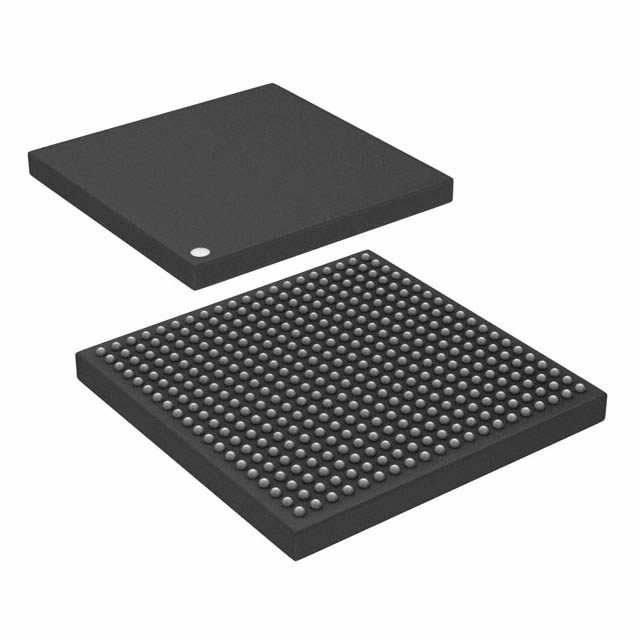
While RISC (Reduced Instruction Set Computer) processors have many advantages, they also come with certain disadvantages. Here are the key disadvantages of RISC processors in detail:
1. Higher Code Density:
- Explanation: Because RISC processors use simple instructions that generally perform only one operation at a time, more instructions are often needed to accomplish a given task compared to CISC (Complex Instruction Set Computer) processors. This results in higher code density, which can lead to larger program sizes.
- Impact: Larger programs can consume more memory and may require more bandwidth to fetch instructions from memory, potentially negating some of the performance gains achieved by faster instruction execution.
2. Increased Compiler Complexity:
- Explanation: RISC architectures rely heavily on compiler optimizations to efficiently utilize the available registers and generate performant code. The responsibility to optimize the instruction sequence and manage register allocation is shifted to the compiler.
- Impact: Developing and maintaining such highly optimizing compilers can be complex and resource-intensive. It requires sophisticated algorithms to ensure that the generated code takes full advantage of the RISC architecture.
3. Performance Penalties for Frequent Memory Access:
- Explanation: Since RISC processors employ a load/store architecture where all operations (except for load and store) must be performed on registers, there is often a higher frequency of load and store operations.
- Impact: If the working set of data does not fit within the available registers, frequent memory accesses can occur, which are slower than register accesses. This situation can negate the advantages of having simple and fast instructions.
4. Pipeline Overhead:
- Explanation: While pipelining can significantly improve performance, it also introduces complexity in handling situations such as branch instructions and pipeline hazards (e.g., data hazards, control hazards).
- Impact: Managing these hazards can require additional hardware mechanisms like branch prediction and out-of-order execution, which can increase the complexity and cost of the processor design.
5. Lack of Microcode Flexibility:
- Explanation: RISC processors typically do not use microcode for implementing instructions, leading to a direct hardware implementation of each instruction.
- Impact: This lack of microcode flexibility means that adding new instructions or modifying existing ones can be more challenging compared to CISC processors, where changes can often be made at the microcode level without altering the hardware.
6. Incompatibility with Existing Software:
- Explanation: Many existing software applications and operating systems are designed for CISC architectures like x86.
- Impact: Transitioning to RISC processors may require significant efforts in porting and optimizing software, which can be a barrier to adoption, especially in environments with a large base of legacy software.
7. Power Efficiency Challenges in High-Performance Computing:
- Explanation: While RISC processors are generally power-efficient, achieving the highest levels of performance often requires increasing clock speeds and incorporating advanced features like out-of-order execution and speculative execution.
- Impact: These enhancements can lead to increased power consumption, potentially reducing the power efficiency benefits of RISC architectures in high-performance computing scenarios.
In summary, while RISC processors offer numerous benefits, they also face challenges such as higher code density, increased compiler complexity, potential performance penalties from frequent memory access, pipeline overhead, limited flexibility due to lack of microcode, software compatibility issues, and power efficiency challenges in high-performance contexts. Addressing these disadvantages requires careful design and optimization both in hardware and software.
icDirectory United Kingdom | https://www.icdirectory.co.uk/a/blog/what-are-the-disadvantages-of-risc-processors.html

☰