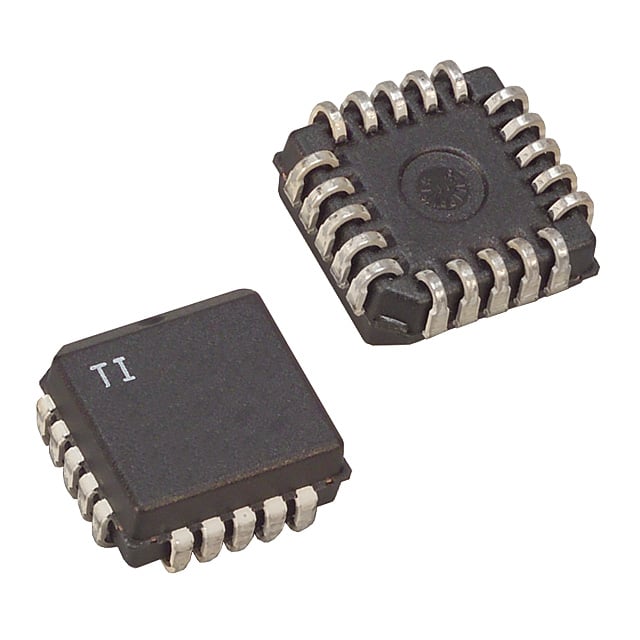
## Texas Instruments UC2901DTR Overview
The UC2901DTR is a high-performance controller for battery management systems, designed by Texas Instruments. This integrated circuit (IC) is particularly suitable for applications that require precision and efficiency in managing rechargeable batteries, such as lead-acid batteries and lithium-ion battery packs. The UC2901DTR features advanced capabilities for monitoring and controlling battery charging processes, ensuring optimal performance and longevity of the batteries.
## Key Features
- Battery Charging Control: Supports both constant current (CC) and constant voltage (CV) charging modes, making it adaptable to various battery chemistries.
- Temperature Compensation: Automatically adjusts the charge parameters based on the temperature of the battery, enhancing safety and efficiency.
- LED Indicators: Integrated LED drive outputs for visual status indication of charge cycles, which simplifies user interfaces.
- Programmable Charge Current: Allows users to set the maximum charge current according to the specific requirements of the battery being charged.
- Overvoltage and Overcurrent Protection: Built-in safety features protect against excessive voltage and current, preventing damage to the battery.
- Low Supply Voltage Operation: Operates effectively at low supply voltages, making it suitable for battery-powered applications.
## Specifications
Here are the detailed specifications of the UC2901DTR:
| Parameter | Value |
|------------------------------------------|-----------------------------------------|
| Supply Voltage (VCC) | 7 V to 30 V |
| Input Voltage Range (VIN) | 0 V to 30 V |
| Charge Current Setting | Programmable up to 5 A |
| Output Voltage Regulation Accuracy | ±0.5% |
| Temperature Range | -40°C to +85°C |
| Power Consumption | 1.2 mA (typical, quiescent) |
| Switching Frequency | 50 kHz to 100 kHz (typical) |
| LED Drive Current | Up to 20 mA |
| Overvoltage Protection Threshold | Programmable (default ~15 V) |
| Overcurrent Protection Threshold | Programmable (default ~6 A) |
| Package Type | TSSOP-20 |
| Pin Count | 20 |
| Typical Application Circuit | Buck or Boost Converter Configurations |
## Applications
The UC2901DTR is widely used in various battery management applications, including:
- Battery Chargers: Suitable for designing efficient battery chargers for different battery types, including lead-acid and lithium-ion batteries.
- Uninterruptible Power Supplies (UPS): Used in UPS systems to ensure reliable power delivery during outages while managing battery health.
- Portable Electronics: Ideal for consumer electronics that require efficient battery management, such as smartphones, laptops, and tablets.
- Electric Vehicles (EV): Utilized in electric vehicle charging systems, helping to manage battery charging cycles efficiently.
- Renewable Energy Systems: Used in solar energy storage systems to manage the charging of batteries from solar panels.
## Functional Block Diagram
The UC2901DTR features several functional blocks that work together to manage battery charging effectively. These include:
- Voltage Reference: Provides a stable reference voltage for accurate regulation.
- Error Amplifier: Compares the output voltage with the reference voltage to regulate the charging process.
- Control Logic: Implements the charging algorithm, managing transitions between CC and CV modes based on battery status.
- Protection Circuits: Monitors battery parameters to prevent overvoltage and overcurrent conditions.
## Conclusion
The Texas Instruments UC2901DTR is a robust and versatile battery management controller that offers comprehensive features for efficient charging of various battery types. Its ability to adapt to different charging conditions, combined with built-in safety features, makes it an excellent choice for engineers looking to design reliable battery management solutions. For more detailed information, including application notes and design resources, refer to the official Texas Instruments datasheet.