Q1: What is the Melexis Technologies NCV7321D?
A1: The Melexis NCV7321D is a high-performance, integrated motor driver designed for automotive and industrial applications. It provides precise control for driving DC motors, stepper motors, and other similar loads.
Q2: What is the voltage range of the NCV7321D?
A2: The NCV7321D operates within a voltage range of 4.5V to 28V, making it suitable for automotive and industrial power systems.
Q3: What is the maximum output current of the NCV7321D?
A3: The NCV7321D is capable of delivering a continuous output current of up to 2A per channel, which makes it ideal for driving medium-power motors.
Q4: What type of motor does the NCV7321D support?
A4: The NCV7321D is designed to drive both DC motors and stepper motors, commonly used in automotive applications, robotics, and other industrial systems.
Q5: Does the NCV7321D have built-in protection features?
A5: Yes, the NCV7321D includes overcurrent, overtemperature, and undervoltage protection, ensuring safe operation in demanding environments.
Q6: What is the package type of the NCV7321D?
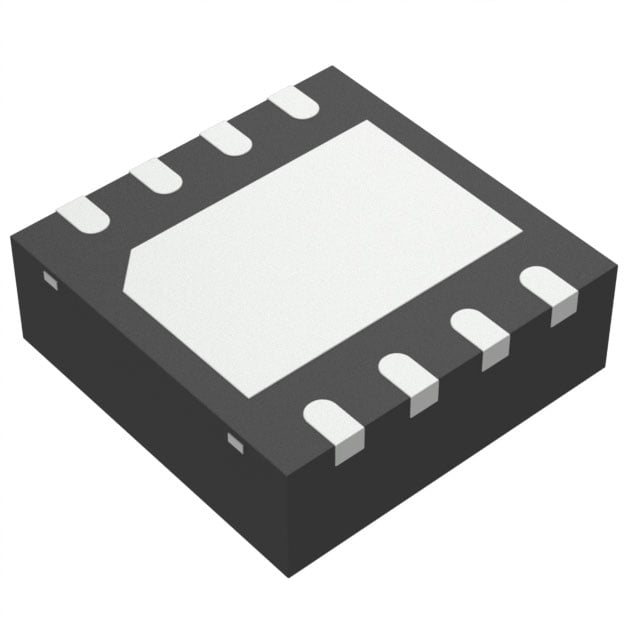
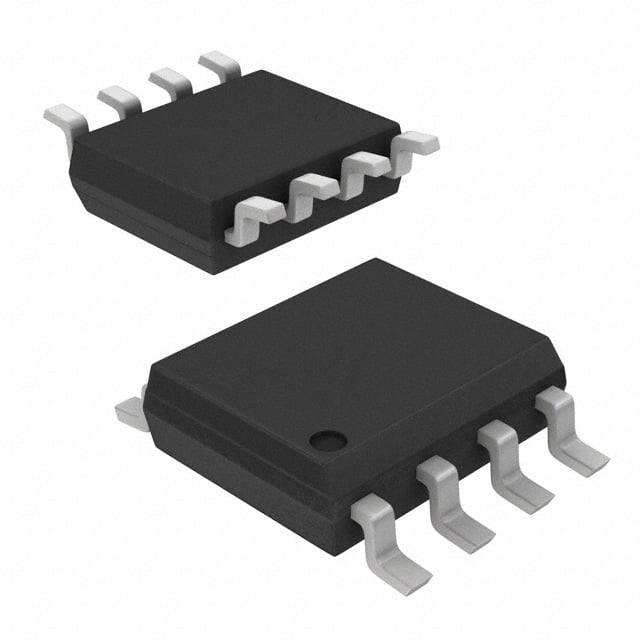
A6: The NCV7321D is available in a 20-pin HTSSOP (Heat Sinking Small Outline Package) for easy integration into compact designs.
Q7: What are the key features of the NCV7321D?
A7: Key features of the NCV7321D include integrated motor control, adjustable current limits, low power consumption, thermal protection, and a wide voltage range, making it suitable for automotive and industrial applications.
Q8: Can the NCV7321D be used in automotive applications?
A8: Yes, the NCV7321D is specifically designed for automotive applications, such as controlling motors in electric windows, seat adjustments, and other vehicle systems.
Q9: How does the NCV7321D achieve motor control?
A9: The NCV7321D uses pulse-width modulation (PWM) to control motor speed and direction, ensuring efficient motor operation with minimal energy loss.
Q10: What is the maximum operating temperature of the NCV7321D?
A10: The NCV7321D has an operating temperature range of -40°C to +150°C, making it suitable for use in harsh automotive and industrial environments.
Q11: What is the current limit feature of the NCV7321D?
A11: The NCV7321D includes an adjustable current limit feature, allowing users to set the maximum current that the motor driver can provide, thus protecting both the driver and the connected motor from damage.
Q12: Is the NCV7321D compatible with 5V logic systems?
A12: Yes, the NCV7321D is compatible with 5V logic systems for controlling the motor, allowing it to be integrated into various digital control platforms.
Q13: How many motor channels can the NCV7321D control?
A13: The NCV7321D is capable of controlling up to two separate motor channels, enabling it to drive two motors independently or in a coordinated manner.
Q14: Does the NCV7321D support both forward and reverse motor operation?
A14: Yes, the NCV7321D supports both forward and reverse motor operation, providing full control over motor direction in a wide range of applications.
Q15: Can the NCV7321D be used for stepper motor control?
A15: Yes, the NCV7321D is suitable for controlling stepper motors, which are often used in precision motion control systems.
Q16: What is the output stage configuration of the NCV7321D?
A16: The NCV7321D uses a H-bridge output configuration, allowing it to efficiently control the direction and speed of motors by switching the polarity of the motor connections.
Q17: How does the NCV7321D handle thermal issues?
A17: The NCV7321D features built-in thermal protection that automatically disables the output when the device reaches unsafe temperatures, preventing damage to the motor driver and the connected components.
Q18: Is there any software support available for the NCV7321D?
A18: While the NCV7321D does not require specific software to operate, it can be integrated into existing motor control software or platforms that support PWM control and diagnostics.
Q19: What are the typical applications of the NCV7321D?
A19: The NCV7321D is typically used in automotive applications, such as controlling power windows, seat adjusters, and other electric vehicle systems, as well as in industrial automation and robotics.
Q20: How does the NCV7321D help improve energy efficiency?
A20: The NCV7321D uses pulse-width modulation (PWM) for efficient motor control, which helps reduce energy consumption by adjusting the power supplied to the motor based on load conditions, resulting in better overall system efficiency.