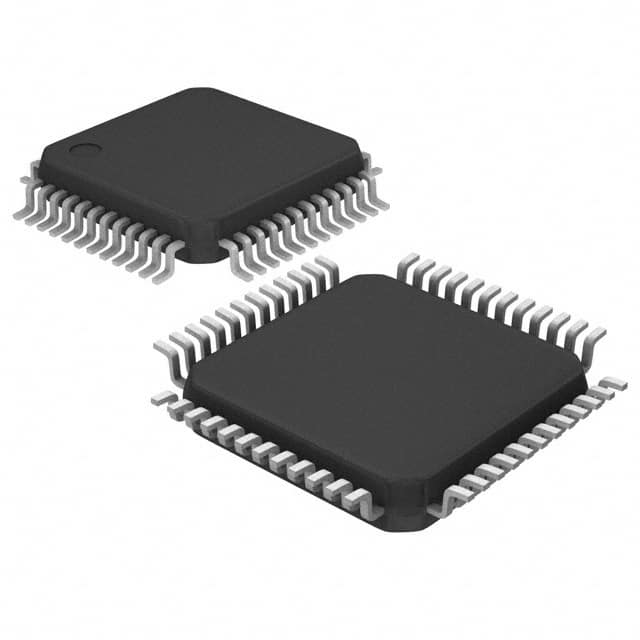
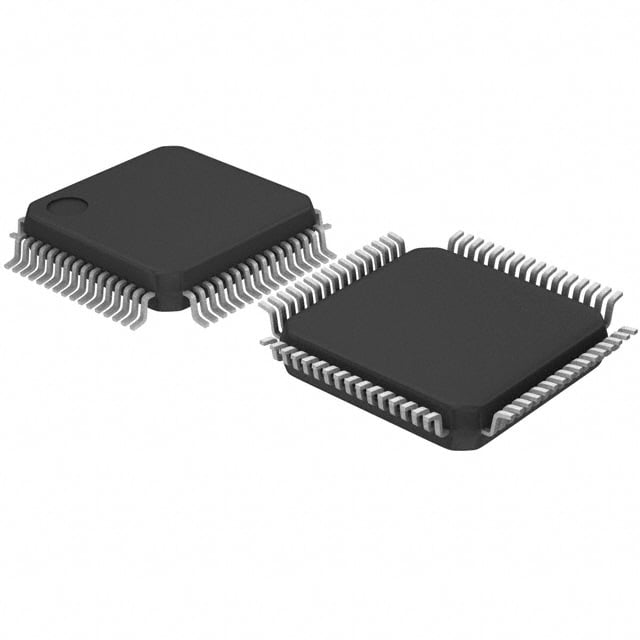
Q1: What is the Nuvoton Technology NCT5585D?
A: The Nuvoton Technology NCT5585D is a hardware monitoring and management integrated circuit (IC) designed for use in PCs, servers, and embedded systems. It provides real-time monitoring of various system parameters, including temperatures, fan speeds, voltages, and system health, ensuring optimal performance and reliability in computing environments.
Q2: What are the key features of the NCT5585D?
A: Key features of the NCT5585D include real-time monitoring of system temperatures, fan speeds, and voltages, multiple temperature and fan control channels, and advanced monitoring capabilities such as overvoltage and overtemperature detection. It also offers flexibility with programmable alarms and system event logging for better system management.
Q3: How many temperature sensors does the NCT5585D support?
A: The NCT5585D supports up to 4 external temperature sensors. These sensors are used to monitor critical components such as CPU, GPU, memory, and chipset, ensuring that the system remains within safe temperature limits during operation.
Q4: What is the maximum number of fan speed monitoring channels available in the NCT5585D?
A: The NCT5585D supports up to 4 fan speed monitoring channels. This allows the system to monitor the speed of cooling fans and ensure that airflow remains optimal to prevent overheating in high-performance systems or environments.
Q5: What voltage monitoring capabilities does the NCT5585D provide?
A: The NCT5585D can monitor multiple voltage rails, including core voltages and power supply voltages. It provides precise voltage readings and can trigger alarms if any monitored voltage exceeds or falls below safe thresholds, helping to protect the system from damage due to overvoltage or undervoltage conditions.
Q6: Can the NCT5585D control fan speeds?
A: Yes, the NCT5585D has fan speed control capabilities. It can adjust the fan speeds based on temperature readings to optimize cooling performance and reduce noise. This feature is particularly useful in systems where thermal management is critical, such as high-performance computers and servers.
Q7: What kind of communication interface does the NCT5585D use?
A: The NCT5585D uses the I2C communication protocol to interface with the system’s microcontroller or processor. This allows for easy integration with existing systems and provides a straightforward method for reading system health data and configuring alarm thresholds.
Q8: What are the alarm and event logging features of the NCT5585D?
A: The NCT5585D features programmable alarms for various system parameters, including temperature, fan speed, and voltage. It can trigger alarms when thresholds are exceeded and log system events for later analysis. These features help ensure that administrators can respond to system issues promptly and prevent hardware damage.
Q9: What is the power supply voltage range for the NCT5585D?
A: The NCT5585D operates with a supply voltage range of 3.0V to 3.6V, making it compatible with typical logic voltages used in modern systems. This allows for seamless integration with the motherboard or system power supply.
Q10: What is the temperature range for the NCT5585D to operate?
A: The NCT5585D operates within a temperature range of -40°C to +85°C. This wide operating temperature range ensures reliable performance even in environments with fluctuating or extreme temperatures, making it suitable for industrial and embedded applications.
Q11: Is the NCT5585D suitable for use in embedded systems?
A: Yes, the NCT5585D is ideal for embedded systems due to its compact design, low power consumption, and flexible monitoring features. It is often used in embedded devices, industrial automation systems, and custom-built systems where monitoring of critical parameters is essential.
Q12: What kind of applications can benefit from the NCT5585D?
A: The NCT5585D is particularly beneficial in applications such as desktop computers, servers, workstations, embedded systems, and industrial equipment. It is used for system health monitoring, thermal management, power supply regulation, and other critical functions in computing and industrial environments.
Q13: How does the NCT5585D protect the system from overheating?
A: The NCT5585D monitors temperatures from multiple sensors and can trigger alarms if a temperature exceeds a preset threshold. In systems with fan control capabilities, it can also adjust fan speeds to help cool down components, ensuring that the system does not overheat and cause damage.
Q14: Does the NCT5585D support any power-saving features?
A: Yes, the NCT5585D is designed with low power consumption in mind. It supports power-saving modes and can be configured to reduce power consumption during periods of low system activity, which is crucial in battery-operated or energy-efficient systems.
Q15: Can the NCT5585D be used in conjunction with other monitoring devices?
A: Yes, the NCT5585D can be used alongside other monitoring and management devices. Its I2C interface allows it to communicate with other system monitoring ICs or microcontrollers, enabling the creation of complex monitoring systems that gather and process data from multiple sources.
Q16: What is the role of the NCT5585D in a server system?
A: In a server system, the NCT5585D monitors critical system parameters such as CPU and memory temperatures, fan speeds, and power supply voltages. It ensures that the server operates within safe thermal and electrical limits, reducing the risk of hardware failure and enhancing system reliability.
Q17: What is the impact of the NCT5585D on system performance?
A: The NCT5585D has minimal impact on overall system performance as it is designed to monitor system health without consuming significant resources. It operates in the background, providing vital data and controlling fans or other peripherals when needed, without affecting the processing power of the host system.
Q18: How does the NCT5585D handle fan control in a system?
A: The NCT5585D can adjust fan speeds based on temperature readings from its sensors. If a component temperature rises above a predefined threshold, the NCT5585D will increase the fan speed to provide better cooling. Conversely, it can decrease the fan speed when temperatures are lower, balancing performance and noise.
Q19: How can the NCT5585D help in the diagnosis of system failures?
A: The NCT5585D logs system events and triggers alarms in case of critical system issues, such as overheating, undervoltage, or fan failure. This information can be used by system administrators to diagnose potential problems, perform corrective actions, and prevent damage or downtime in the system.
Q20: What are the advantages of using the NCT5585D in high-performance computing environments?
A: In high-performance computing environments, the NCT5585D provides real-time monitoring of critical parameters like temperature and voltage, which is essential for maintaining system stability and preventing overheating. Its fan control and alarm features help ensure the system remains operational even under heavy workloads, enhancing overall reliability and performance.