Q1: What is the function of the onsemi MM74C923WM?
A1: The MM74C923WM is a 4-bit BCD (Binary Coded Decimal) to seven-segment latch/decoder driver. It is commonly used to drive seven-segment displays in digital applications such as clocks and counters.
Q2: What type of logic family does the MM74C923WM belong to?
A2: The MM74C923WM belongs to the CMOS logic family, which offers low power consumption and high noise immunity.
Q3: How many inputs does the MM74C923WM have?
A3: The MM74C923WM has 4 BCD input pins (A, B, C, and D) for the 4-bit BCD input.
Q4: What is the maximum operating voltage of the MM74C923WM?
A4: The MM74C923WM operates with a supply voltage of 3V to 15V, making it suitable for a range of low to moderate voltage applications.
Q5: What is the output type of the MM74C923WM?
A5: The MM74C923WM provides 7-segment drive outputs that can directly drive standard seven-segment displays.
Q6: Does the MM74C923WM have a latch function?
A6: Yes, the MM74C923WM includes a latch function, allowing the input BCD value to be latched and held, providing stable output for the seven-segment display.
Q7: What is the maximum current rating for the MM74C923WM outputs?
A7: The MM74C923WM outputs can source or sink up to 25 mA per segment, which is typical for driving seven-segment LEDs.
Q8: What is the typical power consumption of the MM74C923WM?
A8: The typical power consumption of the MM74C923WM is low, as is typical for CMOS devices, and varies with the voltage supply and load conditions.
Q9: What is the package type of the MM74C923WM?
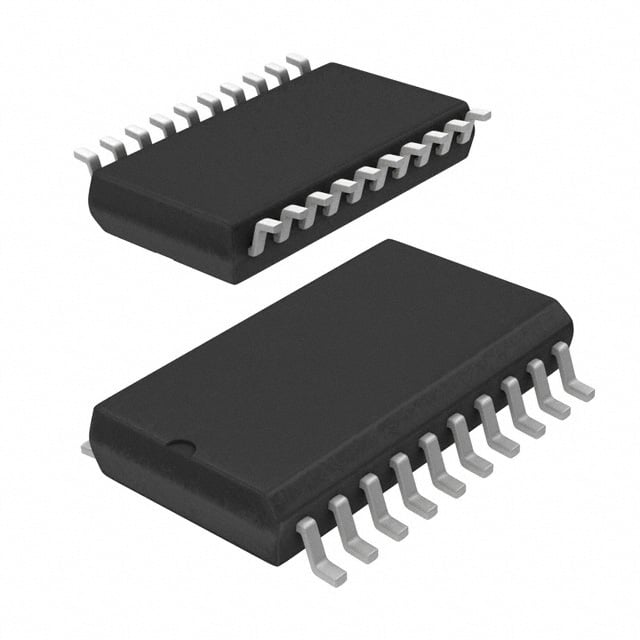
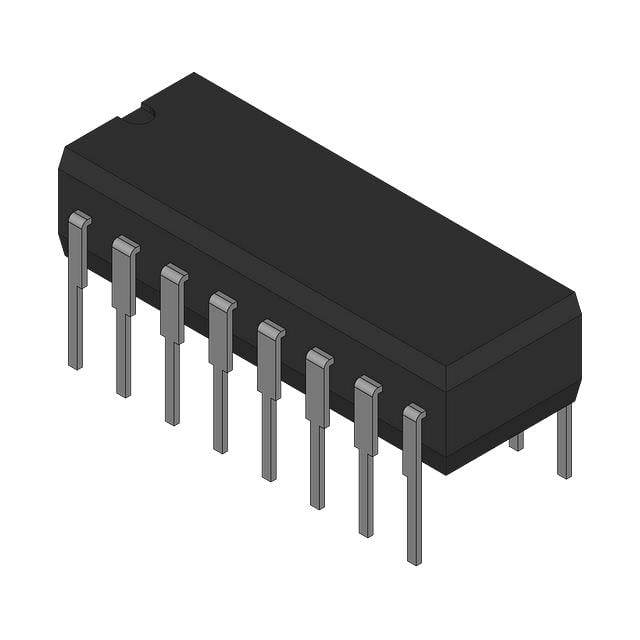
A9: The MM74C923WM is available in a 16-pin Dual In-Line Package (DIP) and a surface-mount package (SOIC-16).
Q10: What is the operating temperature range of the MM74C923WM?
A10: The MM74C923WM operates within a temperature range of -40°C to +85°C, making it suitable for most industrial and commercial applications.
Q11: Does the MM74C923WM provide a blanking function?
A11: Yes, the MM74C923WM features a blanking input, allowing the output display to be turned off when required.
Q12: What is the maximum frequency at which the MM74C923WM can operate?
A12: The MM74C923WM can operate at frequencies up to 5 MHz, depending on the input and load conditions.
Q13: Can the MM74C923WM drive multiplexed displays?
A13: Yes, the MM74C923WM can be used in multiplexed displays, typically in situations where multiple digits are being controlled by the same set of outputs.
Q14: Does the MM74C923WM support cascading multiple devices?
A14: Yes, multiple MM74C923WM devices can be cascaded to control multiple digits in a display by connecting the latch-enable inputs.
Q15: What is the output logic level of the MM74C923WM?
A15: The output logic levels are designed to drive standard seven-segment LEDs directly with suitable current-limiting resistors.
Q16: Is the MM74C923WM compatible with both common anode and common cathode seven-segment displays?
A16: The MM74C923WM is designed to drive common cathode seven-segment displays directly. If using common anode displays, additional circuitry is required.
Q17: How does the MM74C923WM handle decimal points on the display?
A17: The MM74C923WM can drive the decimal point on a seven-segment display by using an additional control line that is available in the device.
Q18: What are the input voltage levels for the MM74C923WM?
A18: The MM74C923WM operates with TTL-compatible input voltage levels. The input voltage for a logical high is typically 2V or higher, and for a logical low, it is below 0.8V.
Q19: Can the MM74C923WM be used for multi-digit display applications?
A19: Yes, the MM74C923WM can be used in multi-digit applications by cascading multiple devices and multiplexing the output for each digit.
Q20: What is the typical application for the MM74C923WM?
A20: The MM74C923WM is typically used in digital displays, such as clocks, meters, counters, and other devices requiring a BCD-to-seven-segment conversion.