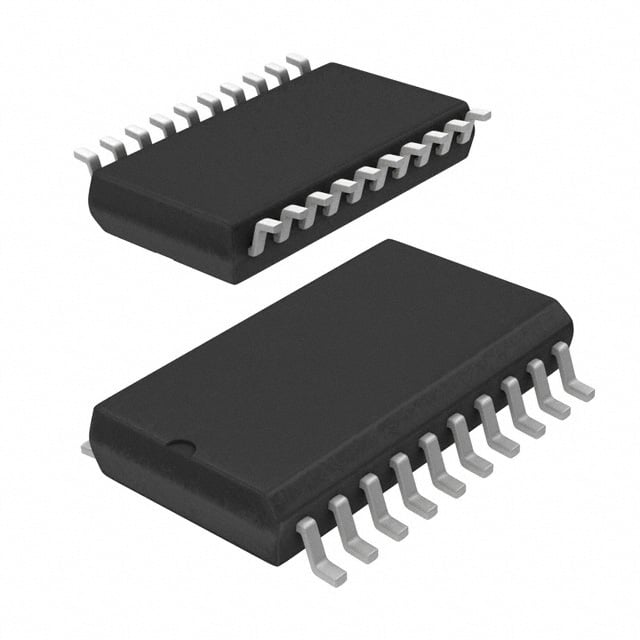
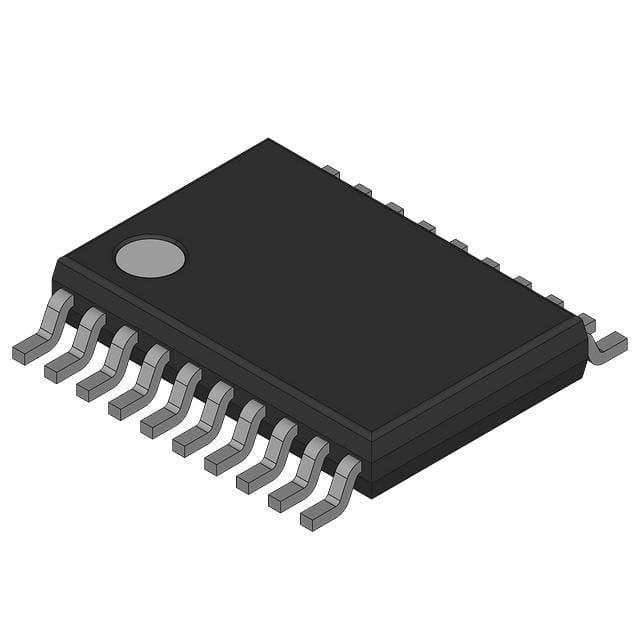
The LPC1768FBD100K is a microcontroller from NXP (now part of NXP Semiconductors) that belongs to the LPC1700 series, known for its high performance and rich feature set. This microcontroller is designed to meet the needs of a wide range of embedded applications, including industrial control, automotive, and consumer electronics.
## Overview
The LPC1768FBD100K is based on the ARM Cortex-M3 processor, which provides a powerful 32-bit core with efficient performance for various applications. This microcontroller integrates a range of peripherals and features that make it suitable for complex embedded systems.
## Key Features
1. ARM Cortex-M3 Processor:
- The LPC1768FBD100K features a high-performance ARM Cortex-M3 processor running at up to 100 MHz. This processor offers a balance of performance and power efficiency, with a 32-bit architecture that provides a wide range of instruction sets and high-speed processing capabilities.
2. Memory:
- Flash Memory: The microcontroller is equipped with 512 KB of flash memory for program storage. This non-volatile memory is used to store the firmware and application code.
- SRAM: It includes 64 KB of static RAM (SRAM) for data storage and runtime operations. The SRAM provides fast, volatile memory access during program execution.
3. I/O Ports:
- The LPC1768FBD100K offers 70 general-purpose I/O (GPIO) pins, which can be configured for various functions, including digital input, digital output, and alternate functions like timers and communication interfaces. These GPIO pins provide flexibility for interfacing with external devices and peripherals.
4. Timers and Counters:
- The microcontroller includes multiple timers and counters, such as the Timer 0 and Timer 1, which are 32-bit timers with multiple modes for generating time delays, pulse width modulation (PWM), and event counting. These timers are essential for time-sensitive operations and signal generation.
5. Communication Interfaces:
- UART: The LPC1768FBD100K supports up to six UART (Universal Asynchronous Receiver/Transmitter) interfaces, which are used for serial communication with external devices.
- SPI: It features up to two SPI (Serial Peripheral Interface) interfaces for high-speed data transfer with peripherals.
- I2C: The microcontroller includes two I2C (Inter-Integrated Circuit) interfaces for communication with I2C-compatible devices.
- CAN: It offers two CAN (Controller Area Network) interfaces for robust communication in automotive and industrial applications.
- USB: The LPC1768FBD100K has a full-speed USB 2.0 interface that supports both device and host modes, making it versatile for USB connectivity applications.
6. Analog Peripherals:
- ADC: The microcontroller includes a 12-bit Analog-to-Digital Converter (ADC) with up to 8 channels. This ADC is used for converting analog signals into digital values for processing.
- DAC: It features a 10-bit Digital-to-Analog Converter (DAC) for generating analog output signals from digital values.
7. PWM:
- The LPC1768FBD100K has multiple PWM channels that can be used for precise control of motors, LEDs, and other actuators. These PWM channels support adjustable duty cycles and frequencies.
8. Real-Time Clock (RTC):
- The microcontroller includes a Real-Time Clock (RTC) with a battery backup. The RTC keeps track of the current time and date, even when the main system is powered off.
9. Watchdog Timer:
- A Watchdog Timer (WDT) is included to ensure system reliability. The WDT resets the microcontroller if the software fails to reset the timer within a specified period, preventing system lock-ups and ensuring continuous operation.
10. Power Supply:
- The LPC1768FBD100K operates with a supply voltage range of 3.3V ±10%. It includes power-saving modes to reduce power consumption during periods of inactivity, making it suitable for battery-powered and low-power applications.
11. Package:
- The microcontroller is available in a 100-pin LQFP (Low-profile Quad Flat Package) package. This package type offers a good balance between pin count, package size, and ease of soldering on PCBs.
## Applications
1. Industrial Control:
- The LPC1768FBD100K is well-suited for industrial control applications due to its robust performance, extensive I/O capabilities, and communication interfaces. It can be used in control systems, automation equipment, and process monitoring.
2. Automotive:
- The microcontroller’s CAN interfaces and reliable performance make it ideal for automotive applications. It can be used in vehicle control systems, infotainment systems, and diagnostics.
3. Consumer Electronics:
- The LPC1768FBD100K is suitable for consumer electronics applications such as home automation, smart appliances, and wearable devices. Its versatility and performance meet the requirements of modern consumer products.
4. Networking and Communication:
- With its USB, UART, and CAN interfaces, the LPC1768FBD100K can be used in networking and communication applications. It supports connectivity and data transfer with external devices and networks.
5. Embedded Systems:
- The microcontroller’s high performance, extensive peripherals, and low power consumption make it suitable for a wide range of embedded systems, including data acquisition systems, sensor interfacing, and control applications.
## Development and Support
The LPC1768FBD100K is supported by a range of development tools and resources. NXP provides a comprehensive set of development kits, evaluation boards, and software libraries to facilitate the design and development process. Development environments such as Keil MDK, IAR Embedded Workbench, and the LPCXpresso IDE are commonly used for programming and debugging the microcontroller. Additionally, NXP offers extensive documentation, including datasheets, user manuals, and application notes, to assist developers in leveraging the full capabilities of the LPC1768FBD100K.
## Conclusion
The LPC1768FBD100K is a versatile and high-performance microcontroller that provides a rich set of features for a wide range of embedded applications. With its ARM Cortex-M3 processor, ample memory, extensive I/O options, and multiple communication interfaces, it is well-suited for applications requiring powerful processing, efficient data handling, and robust connectivity. Its broad range of peripherals and low power consumption make it an excellent choice for industrial, automotive, consumer electronics, and networking applications. The availability of development tools and support resources further facilitates the design and implementation of complex embedded systems.