Microchip Technology dsPIC33FJ64GP206A-I/PT Overview
The dsPIC33FJ64GP206A-I/PT is a 16-bit Digital Signal Controller (DSC) designed by Microchip Technology. It combines the functionality of a microcontroller with digital signal processing capabilities, making it suitable for applications that require efficient control and processing of signals. The dsPIC33F series is widely used in automotive, industrial, and consumer electronics, offering advanced performance while maintaining low power consumption.
Key Features
1. Core Architecture:
* The dsPIC33FJ64GP206A-I/PT features a 16-bit dsPIC core that provides enhanced performance for signal processing tasks, with 16-bit instructions, which is efficient for both control and signal processing operations.
* The core is built on a Harvard architecture, enabling simultaneous instruction and data fetch to improve performance.
2. Memory:
* Flash Memory: 64KB of flash memory for program storage.
* RAM: 8KB of static RAM (SRAM), enabling efficient data storage during processing.
* EEPROM: 2KB of EEPROM for non-volatile storage, ideal for storing calibration data or settings.
3. Clock Speed:
* The microcontroller can operate at a maximum system clock speed of 40 MHz, providing adequate performance for most embedded applications.
4. Peripheral Features:
* PWM (Pulse Width Modulation): Multiple PWM modules are integrated for controlling motors, LEDs, or other power devices.
* ADC (Analog-to-Digital Converter): 16-bit ADC with up to 16 channels, allowing for high-precision analog measurements.
* DAC (Digital-to-Analog Converter): A 10-bit DAC is available for applications requiring analog signal output.
* Timers: Multiple timers with a variety of modes for precise control of time-based operations.
* Communication Interfaces: The microcontroller includes several communication peripherals, such as:
* I2C
* SPI
* UART
* CAN (Controller Area Network), making it suitable for both standalone and networked applications.
5. Digital Signal Processing (DSP) Capabilities:
* The dsPIC33FJ64GP206A-I/PT is equipped with a set of DSP instructions, including multiply-accumulate (MAC) operations, which are ideal for digital signal processing tasks.
* These features enable fast and efficient processing of signals, making it suitable for real-time signal processing applications such as audio, motor control, and digital filtering.
6. Operating Voltage:
* The device operates over a voltage range of 2.3V to 3.6V, making it suitable for both battery-powered and other low-voltage applications.
7. Operating Temperature:
* The operational temperature range is -40°C to 85°C, which makes it suitable for industrial and automotive applications that require extended temperature performance.
8. Interrupt Management:
* The dsPIC33FJ64GP206A-I/PT includes an advanced interrupt system with multiple interrupt priority levels and support for nested interrupts, which improves real-time performance and responsiveness to external events.
9. Power Consumption:
* The microcontroller is designed to be power-efficient, with multiple low-power modes such as sleep and idle modes, reducing power consumption when the device is inactive.
10. Packaging:
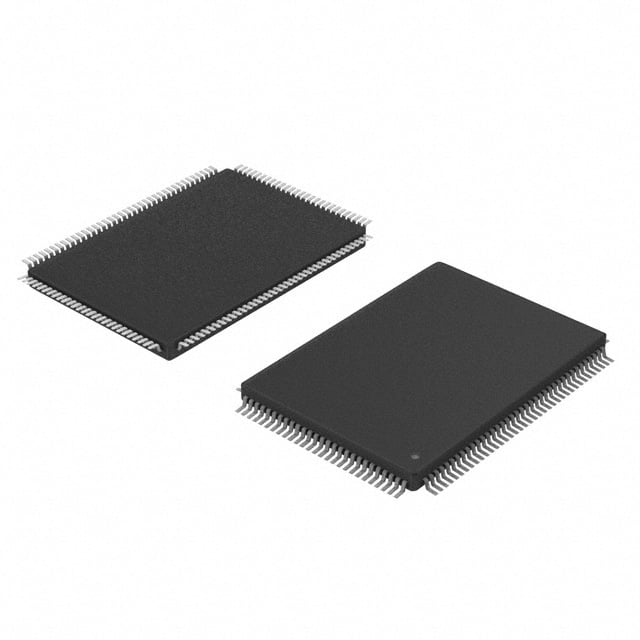
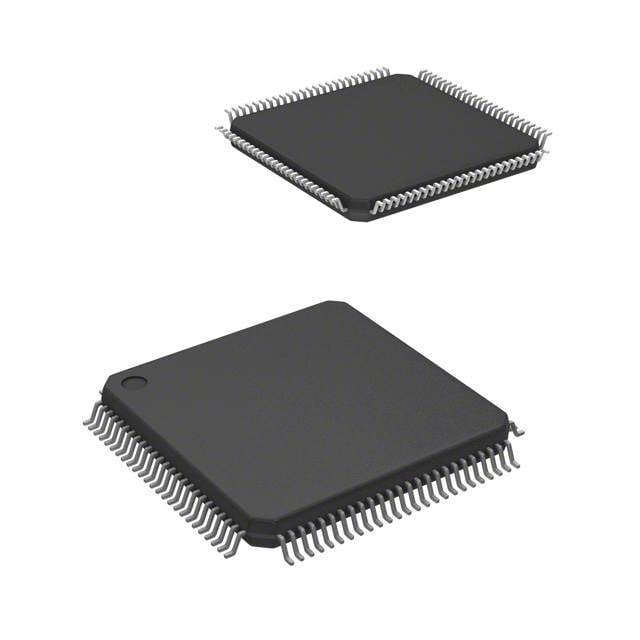
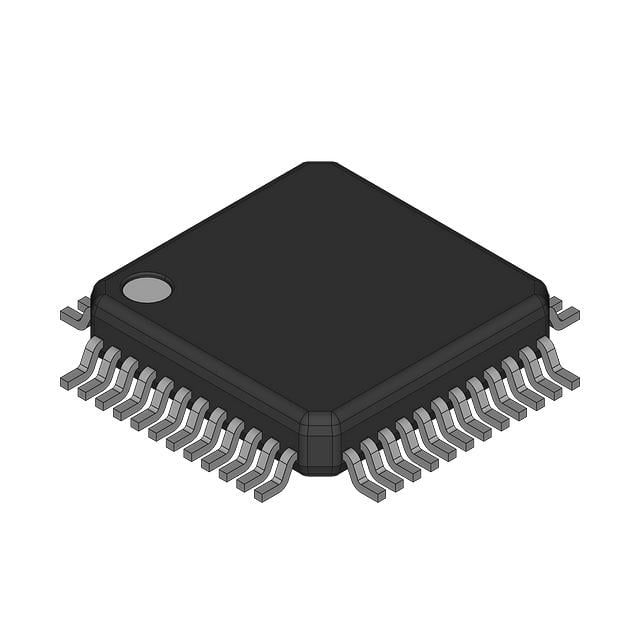
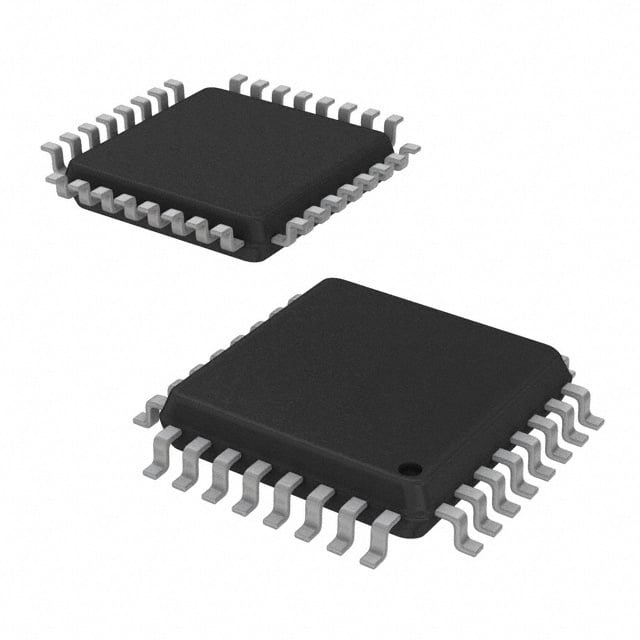
* The dsPIC33FJ64GP206A-I/PT is available in a 28-pin package, offering flexibility in various designs.
Applications
The dsPIC33FJ64GP206A-I/PT is well-suited for applications that require both control and signal processing, including:
* Motor Control: With its PWM and ADC features, it is ideal for controlling and monitoring motors in industrial and automotive applications.
* Audio Signal Processing: The device's DSP capabilities are excellent for handling audio signals, including filtering and modulation.
* Sensor Data Processing: With its multiple ADC channels and processing capabilities, it can process data from sensors in real-time.
* Communication Systems: Its built-in communication interfaces like CAN and UART make it suitable for embedded communication systems.
Conclusion
The Microchip dsPIC33FJ64GP206A-I/PT is a versatile and powerful 16-bit digital signal controller, providing an optimal mix of signal processing capabilities, control features, and low power consumption. Its rich set of peripherals, efficient processing core, and extensive memory options make it a strong choice for demanding embedded applications.