Q1: What is the primary function of Cirrus Logic CS8406-DZZ?
A1: The Cirrus Logic CS8406-DZZ is a professional-grade digital audio interface transmitter designed to convert parallel audio data into standardized serial digital audio formats such as S/PDIF and AES3. It enables high-fidelity digital audio transmission in consumer and professional audio systems.
Q2: What audio data formats does Cirrus Logic CS8406-DZZ support?
A2: The CS8406-DZZ supports a wide range of audio data formats including PCM (Pulse Code Modulation) with 16, 20, or 24-bit word lengths, making it suitable for professional recording, playback, and broadcast environments.
Q3: What is the operating voltage of Cirrus Logic CS8406-DZZ?
A3: The device operates at a single supply voltage of 3.3 V, which allows for low-power consumption while providing reliable performance in high-speed digital audio applications.
Q4: What sample rates are supported by Cirrus Logic CS8406-DZZ?
A4: The CS8406-DZZ supports audio sample rates ranging from 28 kHz to 108 kHz, covering standard audio frequencies for CD, professional, and high-resolution audio applications.
Q5: What package type does Cirrus Logic CS8406-DZZ use?
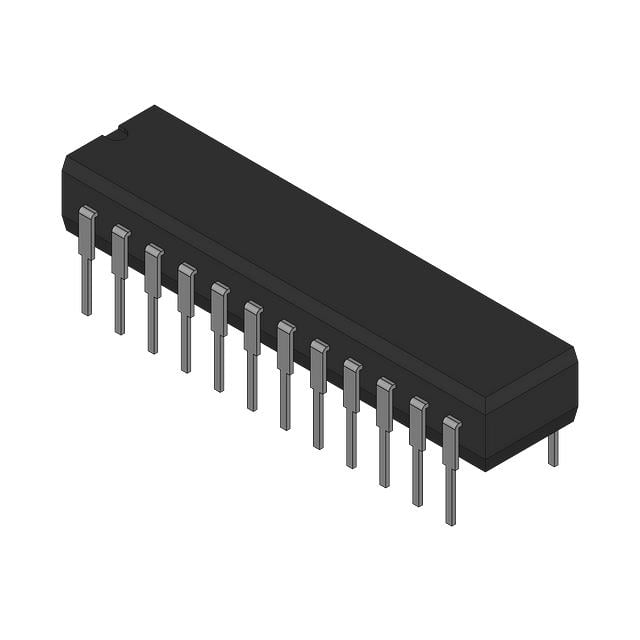
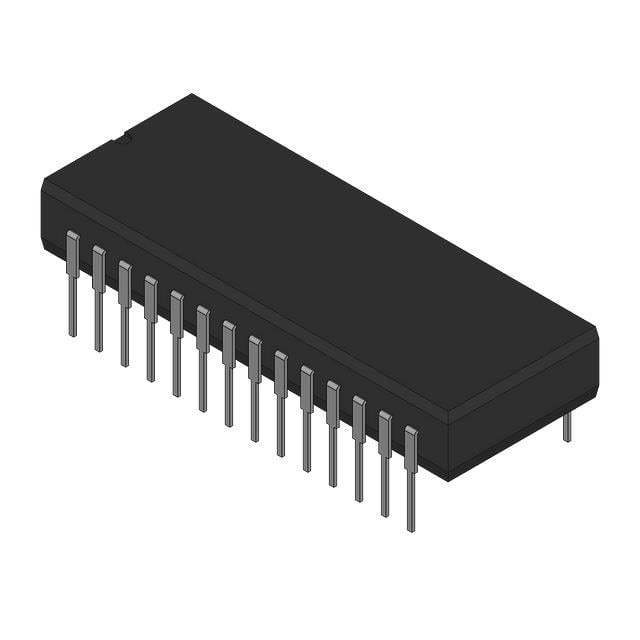
A5: The device comes in a 32-pin SSOP package, which provides compact PCB integration, excellent thermal performance, and robust electrical connectivity for professional and consumer audio equipment.
Q6: How does Cirrus Logic CS8406-DZZ handle jitter in audio signals?
A6: The CS8406-DZZ includes precise clock recovery and synchronization circuits that minimize jitter, ensuring accurate digital audio transmission and preserving high fidelity in professional audio systems.
Q7: Can Cirrus Logic CS8406-DZZ interface with microcontrollers or DSPs?
A7: Yes, the transmitter is designed to interface with microcontrollers, digital signal processors (DSPs), and other audio processing devices, allowing seamless integration into complex digital audio workflows.
Q8: How does Cirrus Logic CS8406-DZZ support multi-channel audio?
A8: The device supports multiple audio channels via serial interface multiplexing, enabling stereo and multi-channel audio transmission in professional audio, home theater, and broadcast systems.
Q9: What is the typical power consumption of Cirrus Logic CS8406-DZZ?
A9: The CS8406-DZZ is designed for low-power operation, consuming minimal current while maintaining high-speed data conversion and serial transmission for professional-grade audio systems.
Q10: How does Cirrus Logic CS8406-DZZ ensure data integrity?
A10: The transmitter incorporates built-in error detection and parity generation mechanisms in accordance with S/PDIF and AES3 standards, ensuring reliable and error-free digital audio transmission.
Q11: Can Cirrus Logic CS8406-DZZ be used in consumer audio devices?
A11: Yes, the device is suitable for high-fidelity consumer audio equipment such as CD/DVD players, home theater systems, and digital audio interfaces, offering professional-grade transmission quality.
Q12: How does Cirrus Logic CS8406-DZZ manage clocking for audio transmission?
A12: It features an internal phase-locked loop (PLL) that generates precise timing for serial audio output, ensuring synchronization and accurate data transfer between source and receiver devices.
Q13: What makes Cirrus Logic CS8406-DZZ suitable for professional audio?
A13: Its support for high-resolution audio, low-jitter clocking, multi-channel transmission, and compatibility with AES3 and S/PDIF standards make it ideal for professional audio recording, mixing, and broadcasting applications.
Q14: How is Cirrus Logic CS8406-DZZ configured for different audio sources?
A14: The device provides configurable input multiplexing, word-length selection, and output formatting through control pins, allowing it to adapt to various audio sources and system requirements.
Q15: Can Cirrus Logic CS8406-DZZ support long-distance digital audio transmission?
A15: Yes, when paired with appropriate line drivers and transformers, the CS8406-DZZ can transmit digital audio over long distances with minimal signal degradation, suitable for professional studio setups.
Q16: How does Cirrus Logic CS8406-DZZ handle stereo versus mono signals?
A16: The transmitter supports both stereo and mono audio configurations, automatically formatting the parallel input data into the appropriate serial stream for output via S/PDIF or AES3 standards.
Q17: What are the key audio interface standards supported by Cirrus Logic CS8406-DZZ?
A17: The CS8406-DZZ supports S/PDIF, AES3, and professional digital audio standards, providing compatibility with both consumer and professional audio equipment for seamless integration.
Q18: Can Cirrus Logic CS8406-DZZ work with high-resolution audio?
A18: Yes, the transmitter supports up to 24-bit audio word lengths and high sample rates, making it suitable for high-resolution audio applications such as studio recording, mastering, and digital music playback.
Q19: How does Cirrus Logic CS8406-DZZ simplify audio system design?
A19: By converting parallel audio data to standardized serial formats, providing low-jitter clocking, and supporting multiple channels, the device reduces the complexity of digital audio interface design and ensures reliable transmission.
Q20: What are the key features of Cirrus Logic CS8406-DZZ for engineers?
A20: Key features include support for S/PDIF and AES3, 16–24 bit audio word lengths, 28–108 kHz sample rates, 32-pin SSOP package, low-jitter PLL, configurable input/output formats, multi-channel support, low power consumption, and robust error detection. These capabilities make the CS8406-DZZ a versatile solution for professional and consumer digital audio transmission applications.