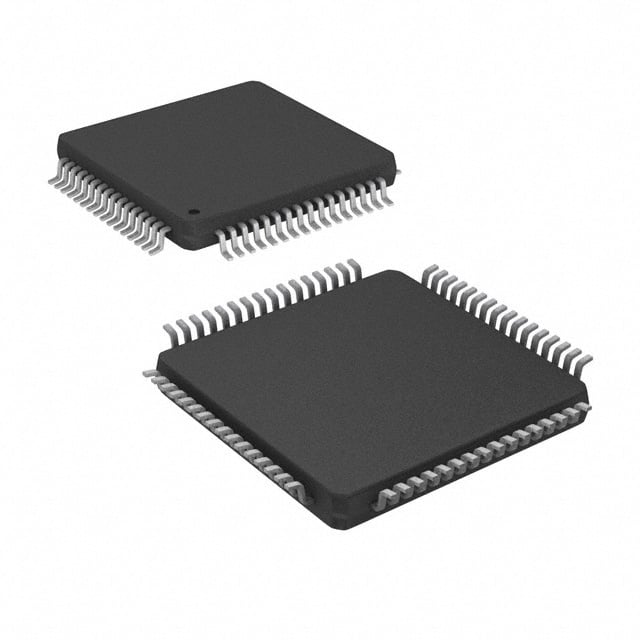
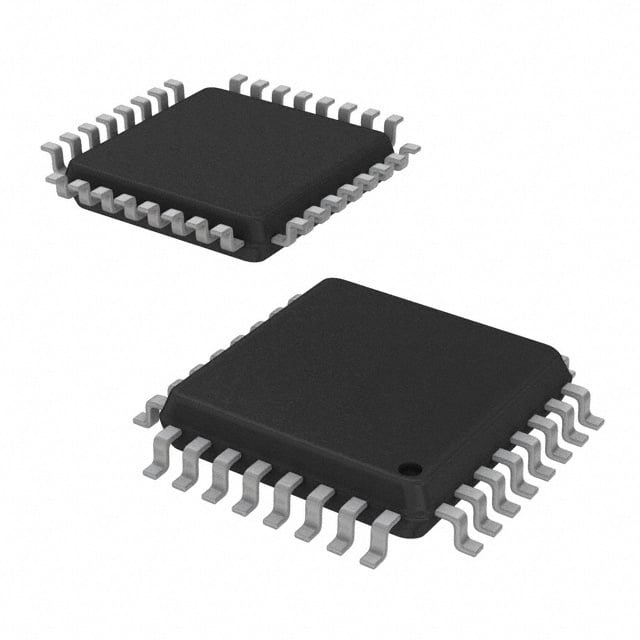
The Silicon Labs C8051F980-C-GMR is a high-performance microcontroller that belongs to the C8051 family, which is known for its versatility and efficiency in embedded applications. This microcontroller is particularly suited for applications requiring robust performance, low power consumption, and a rich set of integrated peripherals. Below is a detailed overview of its specifications, features, and potential applications.
## Overview
The C8051F980-C-GMR microcontroller is based on the 8051 architecture, which has been widely used in various embedded systems for decades. Silicon Labs has enhanced this architecture with modern features, making it suitable for a wide range of applications, including industrial control, consumer electronics, and automotive systems. The C8051F980 is designed to provide high-speed processing capabilities while maintaining low power consumption.
## Key Specifications
1. Core Architecture:
- Core Type: 8051-compatible core.
- Clock Speed: Up to 100 MHz, allowing for fast execution of instructions.
- Instruction Set: 8-bit instruction set architecture, providing compatibility with a wide range of existing software.
2. Memory:
- Flash Memory: 64 KB of on-chip flash memory for program storage, which can be reprogrammed in-system.
- RAM: 4 KB of on-chip SRAM for data storage.
- EEPROM: 1 KB of on-chip EEPROM for non-volatile data storage, useful for storing configuration settings and calibration data.
3. I/O Ports:
- General-Purpose I/O: Up to 32 GPIO pins, configurable for various functions, including digital input/output and alternate functions.
- Pin Count: Available in a 64-pin LQFP (Low-Profile Quad Flat Package) for easy integration into designs.
4. Peripheral Features:
- Timers: Multiple 16-bit timers/counters for various timing applications, including PWM generation.
- ADC: 12-bit Analog-to-Digital Converter (ADC) with up to 8 channels for analog signal processing.
- Communication Interfaces:
- UART: Multiple UART interfaces for serial communication.
- SPI: Serial Peripheral Interface for high-speed data transfer.
- I2C: Inter-Integrated Circuit interface for connecting low-speed peripherals.
- CAN: Controller Area Network interface for automotive and industrial applications.
- Comparators: Integrated analog comparators for signal conditioning and processing.
5. Low Power Consumption:
- Operating Voltage: 2.7V to 5.25V, providing flexibility in power supply design.
- Low Power Modes: Various low-power modes to extend battery life in portable applications, including sleep and idle modes.
6. Development Support:
- Development Tools: Supported by Silicon Labs%27 integrated development environment (IDE) and various debugging tools, making it easier for developers to create and test applications.
- Software Libraries: Availability of software libraries and middleware to accelerate application development.
## Applications
The C8051F980-C-GMR microcontroller is suitable for a wide range of applications, including but not limited to:
- Industrial Automation: Used in control systems, motor drivers, and sensor interfaces.
- Consumer Electronics: Ideal for smart home devices, appliances, and wearable technology.
- Automotive Systems: Suitable for automotive control systems, including body control modules and infotainment systems.
- Medical Devices: Can be used in portable medical equipment and monitoring devices.
- Communication Systems: Effective in applications requiring robust communication protocols.
## Conclusion
The Silicon Labs C8051F980-C-GMR microcontroller is a powerful and versatile solution for embedded applications. With its high-performance 8051 core, ample memory, and rich peripheral set, it provides developers with the tools needed to create efficient and effective solutions across various industries. Its low power consumption and flexible operating voltage make it an excellent choice for battery-operated devices, while its extensive development support ensures a smooth design process. Overall, the C8051F980-C-GMR is a reliable microcontroller that meets the demands of modern embedded systems, making it a popular choice among engineers and developers.