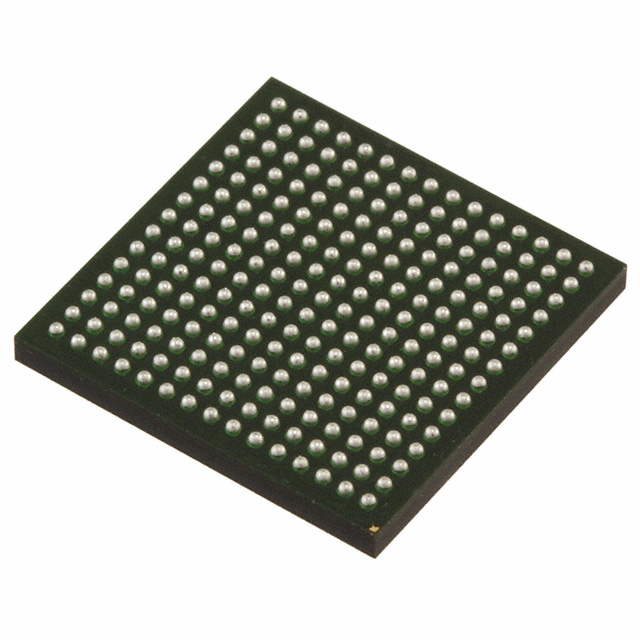
Electrostatic Discharge (ESD) protection plays a critical role in ensuring the reliability of System-on-Chip (SoC) designs. Let%27s explore this topic in detail:
1. Understanding ESD:
- ESD occurs when an electric charge is rapidly transferred between two objects with different potentials.
- It can happen during manufacturing, handling, or operation of electronic devices.
- ESD events can cause permanent damage to SoC components, affecting their reliability.
2. Impact of ESD on SoC Reliability:
- Device Degradation: ESD can degrade transistors, interconnects, and other components.
- Latent Failures: Even if an ESD event doesn%27t cause immediate failure, it can create latent defects that lead to long-term reliability issues.
- Soft Errors: ESD-induced charge can upset memory cells, causing soft errors (bit flips).
- Gate Oxide Breakdown: High ESD currents can weaken gate oxide, leading to eventual breakdown.
- Latch-Up: ESD can trigger latch-up, where parasitic thyristors conduct current, potentially damaging the device.
3. ESD Protection Mechanisms:
- Diodes: ESD protection diodes shunt excess current away from sensitive nodes.
- Clamps: Voltage clamps limit voltage spikes during ESD events.
- Layout Techniques: Proper layout minimizes parasitic capacitance and inductance.
- Grounding: Effective grounding prevents charge buildup.
- Shielding: Metal shields protect sensitive areas.
- ESD Cells: Dedicated ESD structures absorb and dissipate energy.
4. Scaling Impact on ESD:
- As SoCs scale down to smaller process nodes:
- Reduced Device Dimensions: Smaller transistors are more susceptible to ESD.
- Higher Current Densities: ESD currents increase due to smaller geometries.
- Increased Sensitivity: Subtle changes impact ESD robustness.
- Parasitic Effects: Thinner interconnects and higher integration density affect ESD behavior¹.
5. FinFETs and Reliability Challenges:
- Transition to FinFETs introduces new challenges:
- Increased Parasitic Capacitance: Larger ESD devices lead to higher parasitic capacitance, affecting performance.
- Wire Self-Heating: Thinner interconnects increase self-heating, necessitating layout changes².
6. SOI Technologies and Self-Heating:
- Buried oxide in SOI (Silicon-on-Insulator) technologies can impact ESD due to self-heating effects.
- Electromigration (EM), caused by high current density through metal lines, is also influenced by interconnect technology³.
7. Reliability vs. ESD Trade-offs:
- Designers balance ESD protection with other reliability aspects.
- ESD Robustness: Ensuring devices survive ESD events.
- Performance: Avoiding excessive capacitance and resistance.
- Self-Heating: Balancing wire dimensions for reliability and performance.
In summary, ESD protection is essential for maintaining SoC reliability. Proper design, layout, and ESD structures mitigate the impact of ESD events, ensuring long-term functionality and robustness¹²³.
(1) Evolution, Revolution, and Technology Scaling—The Impact on ESD and EOS .... https://www.frontiersin.org/articles/10.3389/fmats.2018.00033/full.
(2) Implementing ESD Protection In Today’s SoCs - Semiconductor Engineering. https://semiengineering.com/implementing-esd-protection-in-todays-socs/.
(3) The Many Aspects of Semiconductor Reliability with Impact on ESD Design .... https://incompliancemag.com/the-many-aspects-of-semiconductor-reliability-with-impact-on-esd-design/.
(4) The Many Aspects of Semiconductor Reliability with Impact on ... - ESD A. https://www.esda.org/news/the-many-aspects-of-semiconductor-reliability-with-impact-on-esd-design.
(5) undefined. https://doi.org/10.3389/fmats.2018.00033.
icDirectory United Kingdom | https://www.icdirectory.co.uk/a/blog/how-does-esd-electrostatic-discharge-protection-impact-soc-reliability.html

☰