Q1: What is the Nexperia BAT54GWX?
A: The Nexperia BAT54GWX is a Schottky barrier diode designed for low power and high-frequency applications. It features a low forward voltage drop, high switching speed, and is typically used in signal processing, rectification, and voltage clamping circuits.
Q2: What is the forward voltage of the BAT54GWX?
A: The Nexperia BAT54GWX typically has a forward voltage drop of about 0.3V at a forward current of 10mA. This low forward voltage makes it efficient for use in low-voltage circuits and energy-sensitive applications.
Q3: What is the reverse leakage current of the BAT54GWX?
A: The BAT54GWX has a very low reverse leakage current, typically in the range of nanoamperes (nA). This feature ensures minimal power loss and improves efficiency in applications that require high precision.
Q4: What is the maximum current rating of the BAT54GWX?
A: The BAT54GWX can handle a maximum continuous current of 200mA. This makes it suitable for low-power and small signal applications, where current demands are relatively low.
Q5: What is the reverse voltage rating of the BAT54GWX?
A: The BAT54GWX has a reverse voltage rating of 30V. This allows it to be used in circuits with a maximum reverse voltage of up to 30V, providing flexibility in design while ensuring safe operation.
Q6: What is the package type of the BAT54GWX?
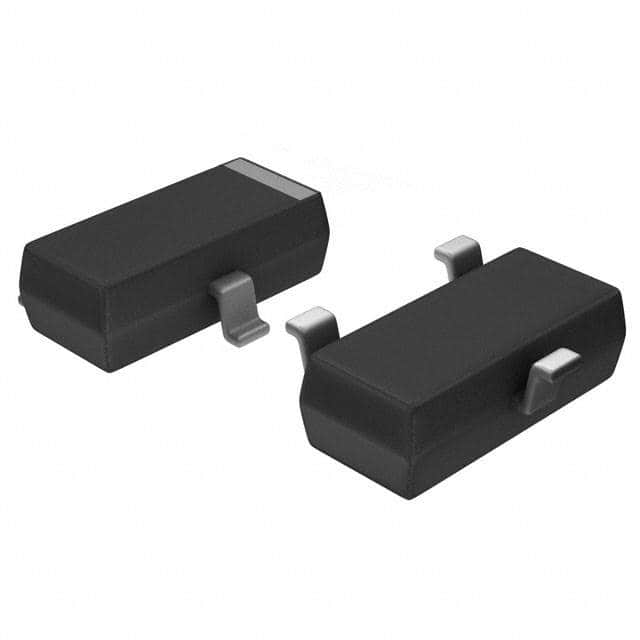
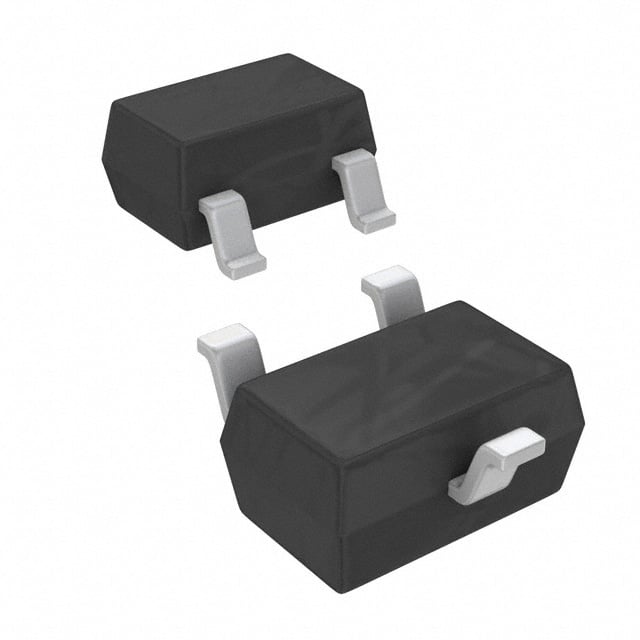
A: The Nexperia BAT54GWX comes in a small SOD-323 surface-mount package. This compact package size is ideal for applications with space constraints, offering both ease of handling and mounting during the assembly process.
Q7: Can the BAT54GWX be used for rectification purposes?
A: Yes, the BAT54GWX is commonly used for low-current rectification applications due to its low forward voltage and high-speed switching capabilities. It is ideal for use in power supply circuits, signal diodes, and even in some power rectifiers in compact designs.
Q8: What are the typical applications of the BAT54GWX?
A: The BAT54GWX is widely used in signal rectification, protection diodes, voltage clamping, and RF (radio frequency) applications. It is also used in low-noise amplifier circuits, switching circuits, and as part of power management systems in mobile devices.
Q9: How does the BAT54GWX compare to regular diodes in terms of performance?
A: The BAT54GWX, being a Schottky diode, offers a much lower forward voltage drop and faster switching speeds compared to regular PN junction diodes. This makes it more efficient in high-frequency and low-voltage applications, reducing power loss and improving overall system performance.
Q10: What is the maximum junction temperature for the BAT54GWX?
A: The maximum junction temperature for the BAT54GWX is 125°C. This high temperature tolerance makes it suitable for use in various environments and applications that require the device to operate in harsh or high-temperature conditions.
Q11: What are the key benefits of using the BAT54GWX in circuits?
A: The key benefits of using the BAT54GWX include its low forward voltage, high-speed switching, low reverse leakage current, and small form factor. These attributes make it an excellent choice for energy-efficient designs, high-frequency applications, and systems where space is a concern.
Q12: Is the BAT54GWX suitable for use in mobile devices?
A: Yes, the BAT54GWX is ideal for use in mobile devices due to its small size and low power consumption. It is commonly used in circuits for power regulation, signal processing, and as a protection diode in compact devices such as smartphones, tablets, and wearables.
Q13: Can the BAT54GWX be used in automotive applications?
A: Yes, the BAT54GWX can be used in automotive applications where space is limited and high-speed switching is needed. It is particularly useful in automotive control systems, signal processing, and power management circuits, where reliability and compact size are essential.
Q14: What is the switching speed of the BAT54GWX?
A: The BAT54GWX offers excellent switching speed, making it suitable for high-frequency applications such as RF circuits and communication devices. The low forward voltage and fast response times enable it to handle rapid switching without significant performance degradation.
Q15: Does the BAT54GWX have any built-in protection features?
A: While the BAT54GWX does not have specific built-in overvoltage or overcurrent protection, its low forward voltage drop and reverse leakage current characteristics help protect circuits from excessive power loss and ensure efficient operation in most low-power designs.
Q16: How does the BAT54GWX perform in high-frequency circuits?
A: The BAT54GWX performs excellently in high-frequency circuits due to its fast switching times and low junction capacitance. These characteristics make it ideal for use in RF circuits, where maintaining signal integrity and reducing distortion are critical.
Q17: Can the BAT54GWX be used in power supply circuits?
A: Yes, the BAT54GWX is commonly used in power supply circuits, especially in low-voltage systems. Its low forward voltage drop and efficient performance make it an ideal choice for rectification and voltage regulation tasks, helping to reduce power loss in such circuits.
Q18: How does the BAT54GWX improve efficiency in electronic devices?
A: The BAT54GWX improves efficiency in electronic devices by minimizing power loss through its low forward voltage drop. This allows for more energy-efficient designs, particularly in battery-powered and portable electronics, where conserving power is critical to prolonging battery life.
Q19: What is the maximum peak repetitive reverse voltage (V_RRM) of the BAT54GWX?
A: The maximum peak repetitive reverse voltage (V_RRM) of the BAT54GWX is 30V. This ensures that the diode can handle transient reverse voltage spikes in circuits without breaking down or suffering damage.
Q20: Can the BAT54GWX be used for voltage clamping applications?
A: Yes, the BAT54GWX is ideal for voltage clamping applications. Its low reverse leakage current and fast response time make it effective in protecting sensitive components by clamping transient voltage spikes to safe levels, ensuring that circuits are shielded from high-voltage surges.




_Top.jpg)



