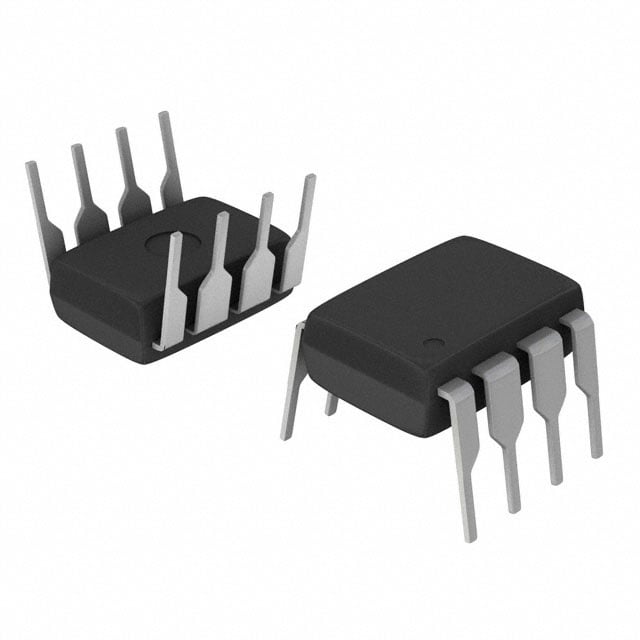
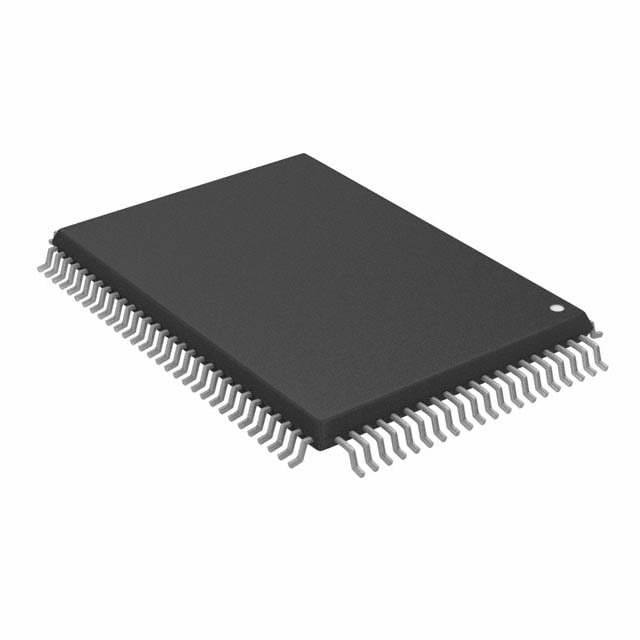
The manufacturing process of LPDDR5X (Low Power Double Data Rate 5X) involves several complex steps and technologies to produce highly efficient and high-performance memory modules suitable for mobile devices. Here’s a detailed overview of the manufacturing process:
1. Semiconductor Wafer Production:
- Crystal Growth: The process begins with the growth of a silicon crystal ingot through a method like the Czochralski process.
- Silicon Ingot Slicing: The ingot is then sliced into thin wafers using diamond saws. These wafers are typically around 300 mm (12 inches) in diameter and are the starting material for the memory chip fabrication.
2. Front-End Process (Wafer Processing):
- Cleaning: The silicon wafers undergo thorough cleaning to remove any contaminants that could affect the performance and reliability of the memory chips.
- Ion Implantation: This step introduces ions into specific areas of the wafers to modify their electrical properties, essential for creating the transistor structures.
- Photolithography:
- Photoresist Application: A layer of photoresist material is applied to the wafers.
- Exposure: UV light is passed through a photomask (a patterned plate) to transfer the circuit pattern onto the photoresist.
- Development: The exposed photoresist is developed, leaving a patterned layer of photoresist on the wafer.
- Etching: Chemical or plasma etching processes remove the exposed silicon to create the circuit patterns defined by the photomask.
- Ion Implantation and Doping: Additional ion implantation and doping steps are performed to adjust the electrical properties of the transistors and interconnects.
3. Back-End Process (Assembly and Packaging):
- Die Separation: After wafer processing, the individual memory chips (die) are separated from the wafer using a diamond saw.
- Die Attach: The memory die are attached to a substrate (often made of ceramic or laminate), which provides electrical connections and mechanical support.
- Wire Bonding: Thin wires (usually made of gold or aluminum) are used to connect the bond pads on the memory die to the substrate.
- Encapsulation (Molding): The memory die and wire bonds are encapsulated in a
icDirectory United Kingdom | https://www.icdirectory.co.uk/a/blog/how-does-lpddr5x-contribute-to-the-miniaturization-of-devices.html

☰